Dr. Linley Cook, DVM, DACVECC
Owner Veterinarian Arista Dallas
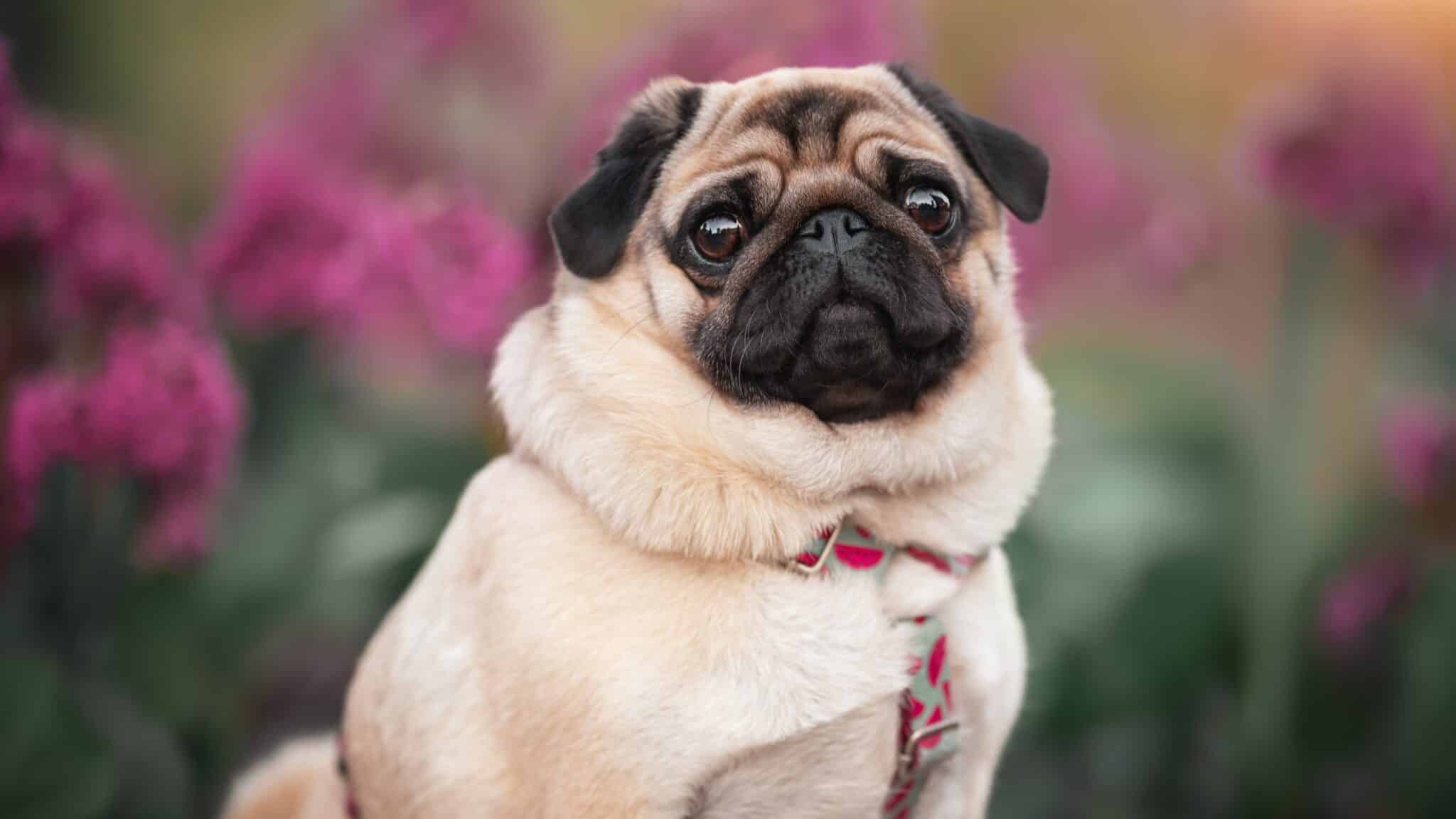
Brachycephalic pets like Bulldogs, Pugs, French Bulldogs, Shih Tzus, and Persian cats are beloved for their cute, flat faces but their unique anatomy can come with serious breathing challenges. One of the most common issues in these breeds is Brachycephalic Obstructive Airway Syndrome, often called BOAS. Understanding this condition and knowing when to seek advanced care can make a life-changing difference for your pet’s comfort and long-term health.
What Is Brachycephalic Obstructive Airway Syndrome?
BOAS is a respiratory condition caused by the shortened skull structure common in brachycephalic (flat-faced) breeds. Their compact facial anatomy can narrow the upper airway, forcing pets to work harder to breathe. Over time, this increased effort can lead to chronic respiratory stress, reduced exercise tolerance, and secondary health complications.
Common Causes and Anatomical Factors
Several structural abnormalities may contribute to BOAS, including:
- Stenotic nares (pinched or narrow nostrils)
- Elongated soft palate
- Hypoplastic trachea (narrow windpipe)
- Everted laryngeal saccules (tissue pushed into the airway from chronic breathing effort)
These issues may appear individually or together, and they often worsen as pets age.
Signs Your Pet May Have BOAS
Symptoms can vary but commonly include:
- Loud breathing or snoring, even at rest
- Noisy panting or wheezing during activity
- Exercise intolerance
- Gagging or retching
- Heat sensitivity
- Cyanosis (blue-tinged gums)
- Episodes of collapse after excitement or exertion
While BOAS is not always an emergency, severe breathing distress requires immediate veterinary attention.
Diagnosis: What to Expect
A veterinary evaluation typically includes a physical exam, airway assessment, and possibly imaging or endoscopy. Because many components of BOAS involve tissue deep in the airway, sedation or anesthesia is often needed for a complete diagnosis. Specialty and emergency hospitals like Arista Advanced Pet Care have the equipment and expertise to perform these advanced assessments safely.
Treatment Options
Treatment depends on the severity and specific anatomical problems present. Options may include:
- Lifestyle modifications such as weight management, avoiding overheating, and limiting strenuous exercise
- Medical management to reduce airway inflammation
- Corrective surgery (nostril widening, soft palate shortening, or removal of everted saccules) performed by a specialist
Early intervention often leads to the best outcomes, improving airflow and significantly enhancing a pet’s quality of life.
Long-Term Management and Prevention
Even after treatment, brachycephalic pets may require ongoing care. Owners can support their pet’s respiratory health by:
- Maintaining a healthy body weight
- Using a harness instead of a collar
- Avoiding excessive heat and humidity
- Monitoring for changes in breathing patterns
- Scheduling regular veterinary checkups
When to Consider a Specialty Referral
Because BOAS often involves complex airway structures, many general practice veterinarians recommend consulting with a specialty team, especially if symptoms worsen or if surgical correction may be beneficial. An advanced care hospital can provide diagnostic imaging, surgical expertise, and postoperative support.
If You’re Concerned About BOAS
If your dog or cat shows signs of labored breathing or you’re simply unsure whether they may be affected, your veterinarian can help determine the next steps.
Talk to your vet to see if a referral is right for you. Arista Advanced Pet Care is here to help.


