Dr. Dena Fauske, DVM, DACVIM (Cardiology)
Arista | Dallas Owner Veterinarian
What is HCM?
Hypertrophic cardiomyopathy (HCM) is the most common heart disease in cats, affecting up to 15% of cats during their lifetime.
HCM is diagnosed when thickening of the heart muscle is present without another cause, such as:
- High blood pressure
- Overactive thyroid disease
The disease is often genetic in some breeds, but it can occur in any cat, including mixed breeds.
Breeds with known genetic mutations include:
- Maine Coon
- Ragdoll
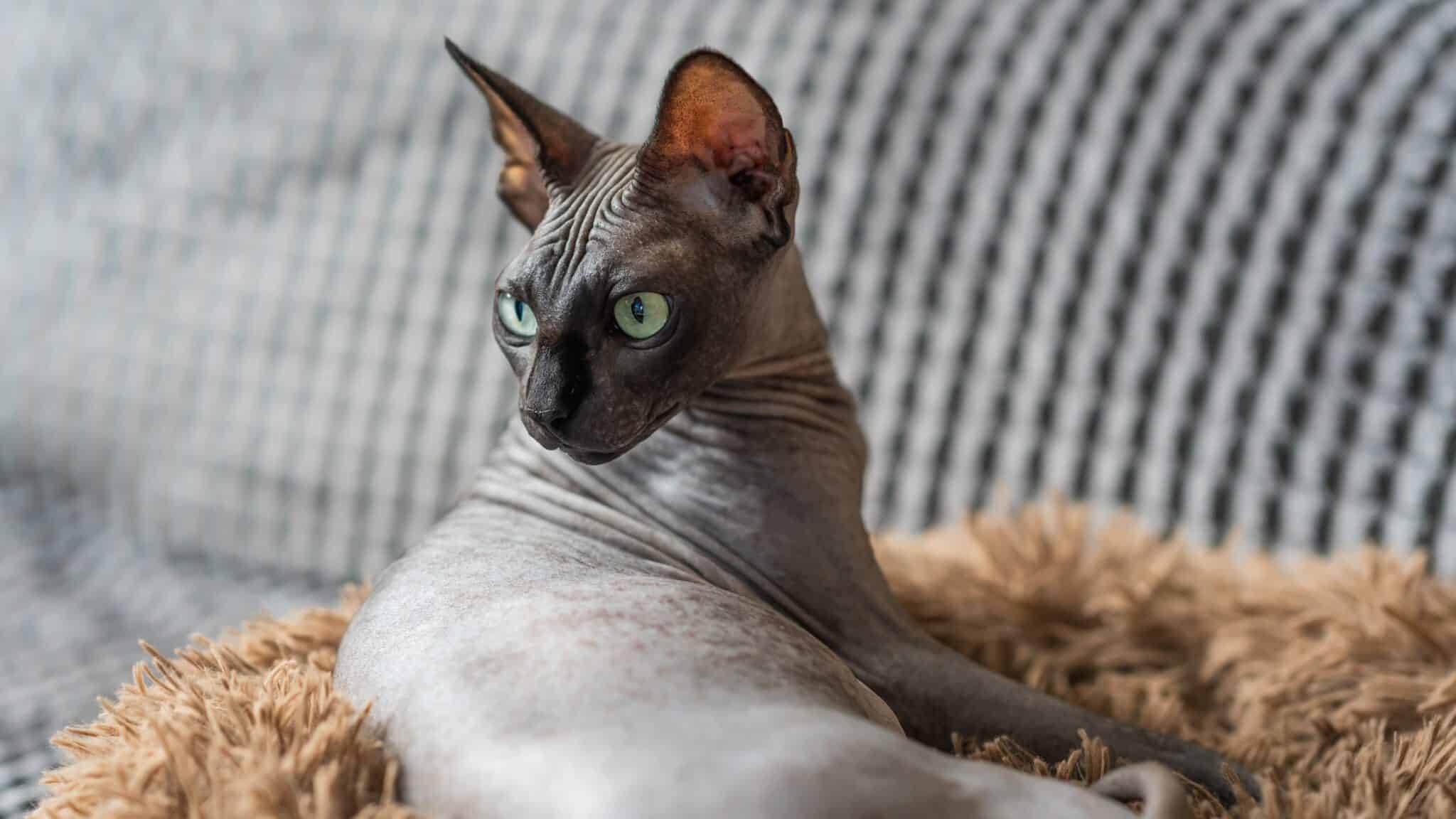
- Sphynx
Genetic screening tests are available for these breeds.
What happens to the heart?
In HCM, the heart muscle becomes abnormally thick, which causes:
- Poor relaxation and filling of the heart
- Increased pressure inside the heart
- Enlargement of the left atrium
These changes can lead to:
- Congestive heart failure (CHF) (fluid in the lungs or chest)
- Irregular heart rhythms
- Fainting (syncope)
- Blood clot formation in the heart
- Saddle thrombus (sudden hind limb paralysis)
- Rarely, sudden death
How is HCM detected?
Screening for HCM can be challenging.
Some cats:
- Have no symptoms
- Have no heart murmur
- Or have a benign (functional) murmur
Possible exam findings:
- Heart murmur
- Gallop rhythm
- Fast heart rate
Recommended diagnostics
- Echocardiogram (cardiac ultrasound) – required for diagnosis
- NT-proBNP blood test – helps determine need for further testing
- Blood pressure measurement
- Thyroid testing (especially in older cats)
- Thoracic radiographs if CHF is suspected
- Electrocardiogram (ECG) for rhythm evaluation
- Genetic testing in certain breeds
Diagnosis is based on accurate measurement of ventricular wall thickness and left atrial size.
Disease Stages and Treatment
Subclinical HCM (no clinical signs)
Many cats require no treatment for years.
Treatment decisions depend on:
- Wall thickness
- Left atrial size
- Risk of blood clots
A newer option:
- Felycin-CA1 (sirolimus delayed-release) – a weekly oral medication that may slow disease progression in some cats with subclinical HCM.
Cats with severe left atrial enlargement are commonly prescribed:
- Clopidogrel to reduce the risk of blood clots
Other medications may be used depending on heart function.
Cats on anti-clot medication should ideally:
- Stay indoors
- Avoid trauma or high-risk activity (due to bleeding risk)
Congestive Heart Failure (CHF)
CHF occurs when fluid accumulates in the lungs or chest.
Treatment may include:
- Furosemide (diuretic)
- ACE-inhibitors (enalapril or benazepril)
- Pimobendan (in selected cases)
Some cats develop pleural effusion, which may need to be drained.
Hospitalization is sometimes required when CHF is first diagnosed.
Medications control clinical signs but do not reverse the underlying heart muscle thickening.
Monitoring Recommendations
Monitoring depends on disease severity and complications.
Mild/subclinical HCM
- Periodic echocardiograms (often every 6–12 months)
Cats with CHF or thromboembolism
- Rechecks every 3–6 months
- Bloodwork to monitor kidney function
- Radiographs and/or echocardiograms as indicated
- Blood pressure monitoring
Diet and Lifestyle
- Mild salt restriction (avoid high-salt treats) is recommended in significant heart disease
- Maintaining adequate calories and protein is critical
- Appetite is more important than strict sodium restriction
- Avoid:
- Vegetarian or vegan diets
- Single-ingredient (meat-only) diets
These can lead to other cardiac problems.
Indoor housing is recommended for cats on anti-clot medications.
Home Monitoring
Watch for the following signs:
- Increased or labored breathing
- Not eating or hiding
- Weakness or collapse
- Sudden lameness or inability to use the back legs (emergency)
Resting/Sleeping Breathing Rate (RRR)
Monitoring breathing rate during sleep is one of the most sensitive indicators of early heart failure.
- Normal: less than 30 breaths per minute
- Concerning: over 40 breaths per minute → veterinary evaluation recommended
Prognosis
Prognosis varies widely depending on disease stage and progression.
- Many cats with mild HCM live normal lives without symptoms
- About 20% develop CHF within 5 years of diagnosis
- About 9% develop blood clots during that time
Once CHF develops:
- Average survival is approximately 12 months with appropriate therapy
- Many cats maintain a good quality of life with treatment and monitoring
Close communication with your primary veterinarian and cardiologist provides the best chance for long-term quality of life.


